
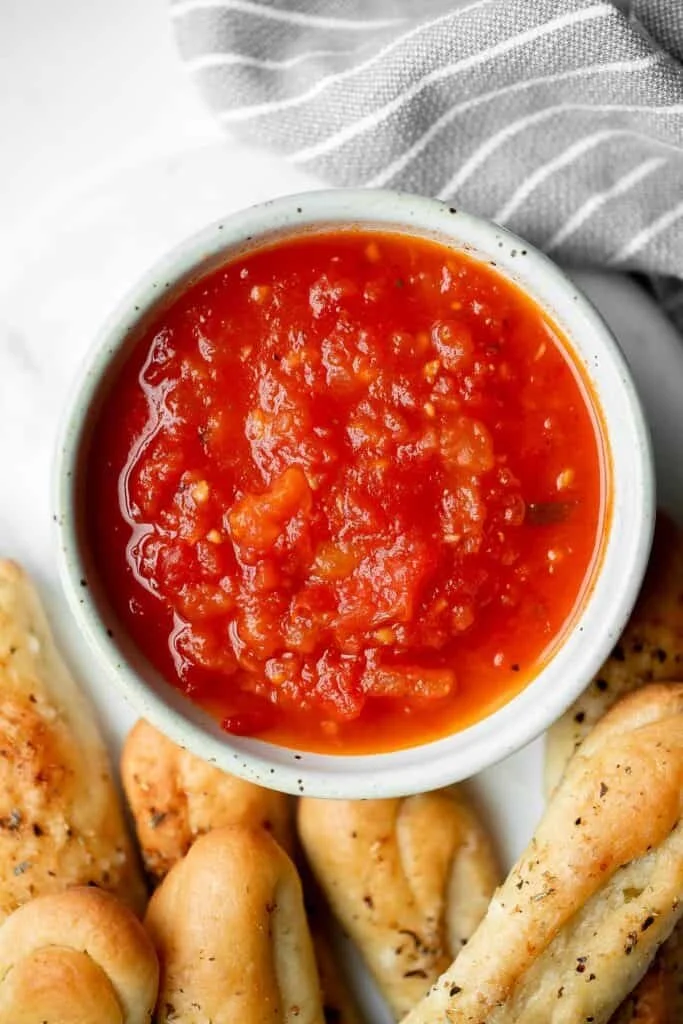
Marinara sauce is a timeless favorite in Italian cuisine, known for its simplicity, vibrant flavor, and versatility. This classic tomato-based sauce is perfect for a variety of dishes, from pasta and pizza to dipping breadsticks. Making your own marinara sauce at home can elevate your meals and fill your kitchen with the irresistible aroma of sautéed garlic and fresh herbs.
Recipe Information
- Prep Time: 10 minutes
- Cook Time: 30 minutes
- Total Time: 40 minutes
- Servings: 4
- Difficulty Level: Easy
Nutrition Information
- Calories per serving: 120
- Protein: 2 grams per serving
- Carbohydrates: 14 grams per serving
- Fat: 5 grams per serving
- Fiber: 2 grams per serving
- Sugar: 5 grams per serving
- Sodium: 250 mg per serving
Why Make This Marinara Sauce
Homemade marinara sauce is not only tastier than store-bought options, but it also allows you to control the ingredients. You can adjust the seasoning to suit your palate and omit any preservatives. This sauce pairs beautifully with various dishes, whether you’re tossing it with spaghetti for a comforting dinner or using it as a base for your homemade pizza. Plus, it’s a great way to showcase ripe tomatoes and fresh herbs.
How to Make Marinara Sauce
Ingredients:
- 2 tablespoons olive oil
- 4 cloves garlic, minced
- 1 can (28 ounces) crushed tomatoes
- 1 teaspoon sugar
- 1 teaspoon dried oregano
- 1 teaspoon dried basil
- Salt and pepper to taste
- Fresh basil leaves for garnish (optional)
Directions:
-
Step 1: Preparation
In a medium saucepan, heat the olive oil over medium heat. This oil provides a rich base for the sauce and adds flavor.
-
Step 2: Mixing
Add minced garlic and sauté until fragrant, about 1 minute. Be careful not to burn the garlic, as it can turn bitter.
-
Step 3: Cooking
Stir in the crushed tomatoes and bring the mixture to a simmer. The tomatoes create that rich, saucy flavor we love in marinara.
-
Step 4: Finishing
Add sugar, oregano, basil, salt, and pepper. Reduce heat and let the sauce simmer for about 20-30 minutes, stirring occasionally. This simmering allows the flavors to meld together beautifully. Adjust seasoning to taste before serving hot, garnished with fresh basil leaves if desired.
How to Serve Marinara Sauce
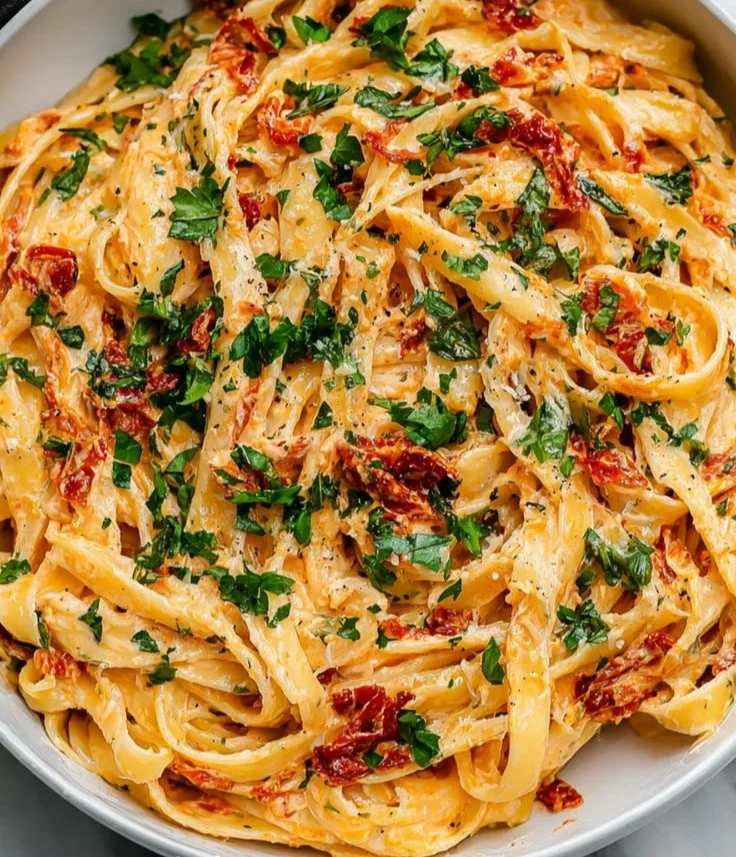
Serve your marinara sauce hot, tossed with your favorite pasta or as a topping for homemade pizzas. It also makes a delightful dip for garlic bread or breadsticks. For a hearty meal, pair it with meatballs or grilled vegetables. The sauce can also be stored and used in various recipes throughout the week.
How to Store Marinara Sauce
Let the sauce cool to room temperature before transferring it to an airtight container. You can store it in the refrigerator for up to 5 days or freeze it for up to 3 months. To reheat, gently warm it on the stovetop over low heat, adding a splash of water or olive oil if it has thickened.
Expert Tips for Perfect Marinara Sauce
- Use high-quality crushed tomatoes for the best flavor. San Marzano tomatoes are particularly praised for their sweetness and acidity.
- Don’t skip the sugar if your tomatoes are too acidic; it balances the flavor.
- Experiment with fresh herbs if you have them on hand! Fresh basil offers a more vibrant flavor than dried.
- For a spicier kick, add a pinch of red pepper flakes during the cooking process.
Delicious Variations
- Spicy Marinara: Add red pepper flakes or diced jalapeños for a spicy twist.
- Vegetable Marinara: Incorporate chopped bell peppers, onions, or mushrooms to add texture and flavor.
- Herbed Marinara: Try adding fresh parsley or thyme along with the traditional basil and oregano.
- Creamy Marinara: Stir in a splash of heavy cream or a dollop of ricotta for a richer sauce.
Frequently Asked Questions
-
Can I use fresh tomatoes instead of canned? Yes, but you’ll need to peel and chop the tomatoes. About 2-3 pounds of fresh tomatoes will yield the same amount as one can.
-
How long can I keep marinara sauce in the fridge? You can keep it in an airtight container for up to 5 days.
-
Can I freeze marinara sauce? Absolutely! Store it in freezer-safe containers for up to 3 months. Thaw in the fridge overnight before reheating.
-
What can I use marinara sauce for besides pasta? It’s perfect for pizza, as a dipping sauce for mozzarella sticks, or on top of baked chicken or eggplant.
-
Is marinara sauce gluten-free? Yes, marinara sauce is naturally gluten-free. Just be sure to check your canned tomato ingredients to avoid any additives.
Conclusion
Marinara sauce is a versatile, delicious, and simple addition to many meals. With just a few ingredients, you can create a flavorful sauce that will impress your family and friends. Whether you’re using it as a pasta sauce, pizza base, or dipping accompaniment, this marinara is sure to become a staple in your kitchen. So gather your ingredients and try making this homemade marinara sauce, and enjoy the fresh, vibrant flavors it brings to your table!
Print
Homemade Marinara Sauce
- Total Time: 40 minutes
- Yield: 4 servings 1x
- Diet: Vegetarian
Description
A classic tomato-based sauce perfect for pasta, pizza, and more with vibrant flavors and homemade goodness.
Ingredients
- 2 tablespoons olive oil
- 4 cloves garlic, minced
- 1 can (28 ounces) crushed tomatoes
- 1 teaspoon sugar
- 1 teaspoon dried oregano
- 1 teaspoon dried basil
- Salt and pepper to taste
- Fresh basil leaves for garnish (optional)
Instructions
- Heat olive oil in a medium saucepan over medium heat.
- Add minced garlic and sauté until fragrant, about 1 minute.
- Stir in crushed tomatoes and bring to a simmer.
- Add sugar, oregano, basil, salt, and pepper. Reduce heat and let it simmer for 20-30 minutes, stirring occasionally.
- Adjust seasoning to taste, garnish with fresh basil if desired, and serve hot.
Notes
Experiment with fresh herbs for enhanced flavor. Can be stored in the refrigerator for up to 5 days or frozen for up to 3 months.
- Prep Time: 10 minutes
- Cook Time: 30 minutes
- Category: Sauce
- Method: Stovetop
- Cuisine: Italian
Nutrition
- Serving Size: 1 serving
- Calories: 120
- Sugar: 5g
- Sodium: 250mg
- Fat: 5g
- Saturated Fat: 1g
- Unsaturated Fat: 4g
- Trans Fat: 0g
- Carbohydrates: 14g
- Fiber: 2g
- Protein: 2g
- Cholesterol: 0mg