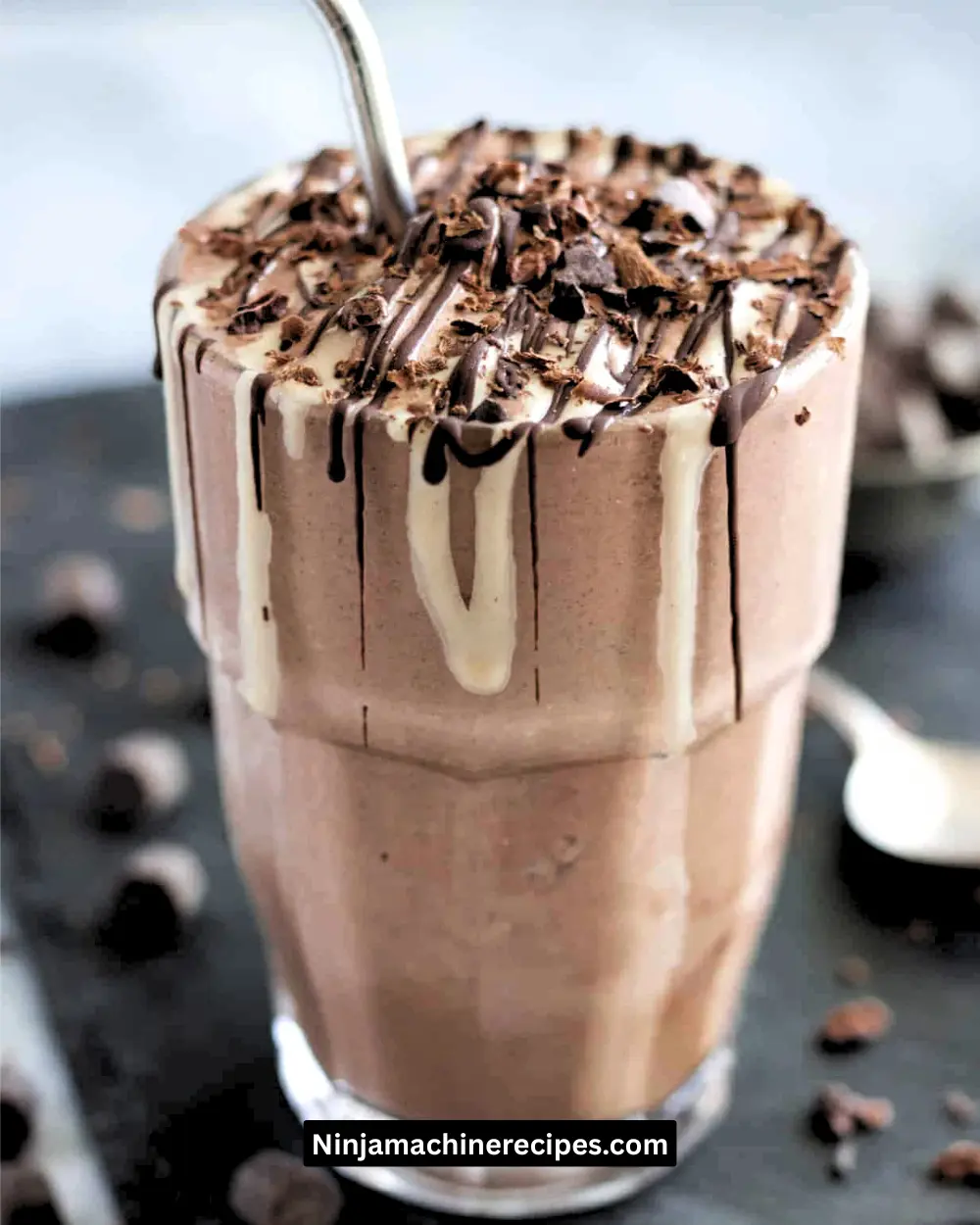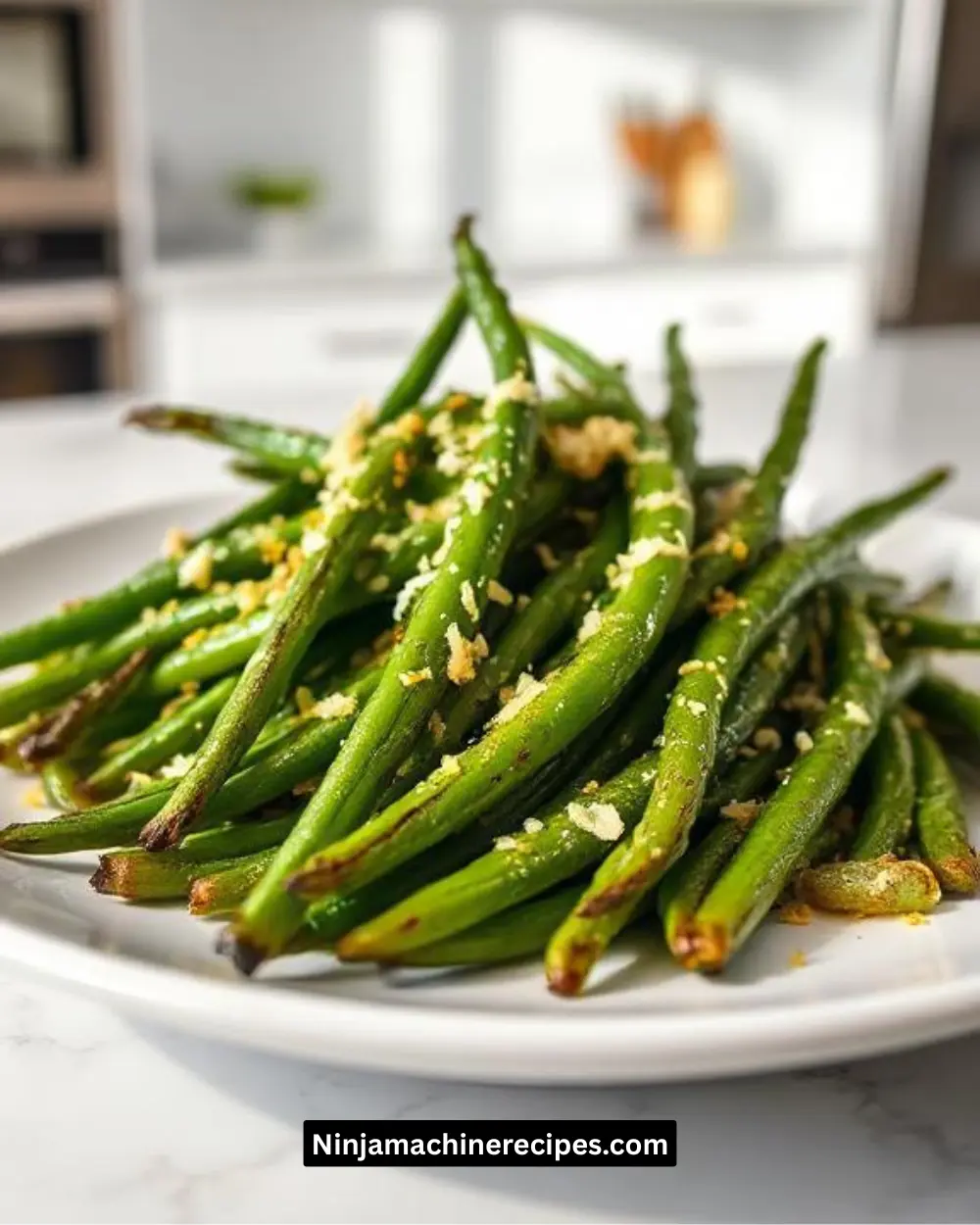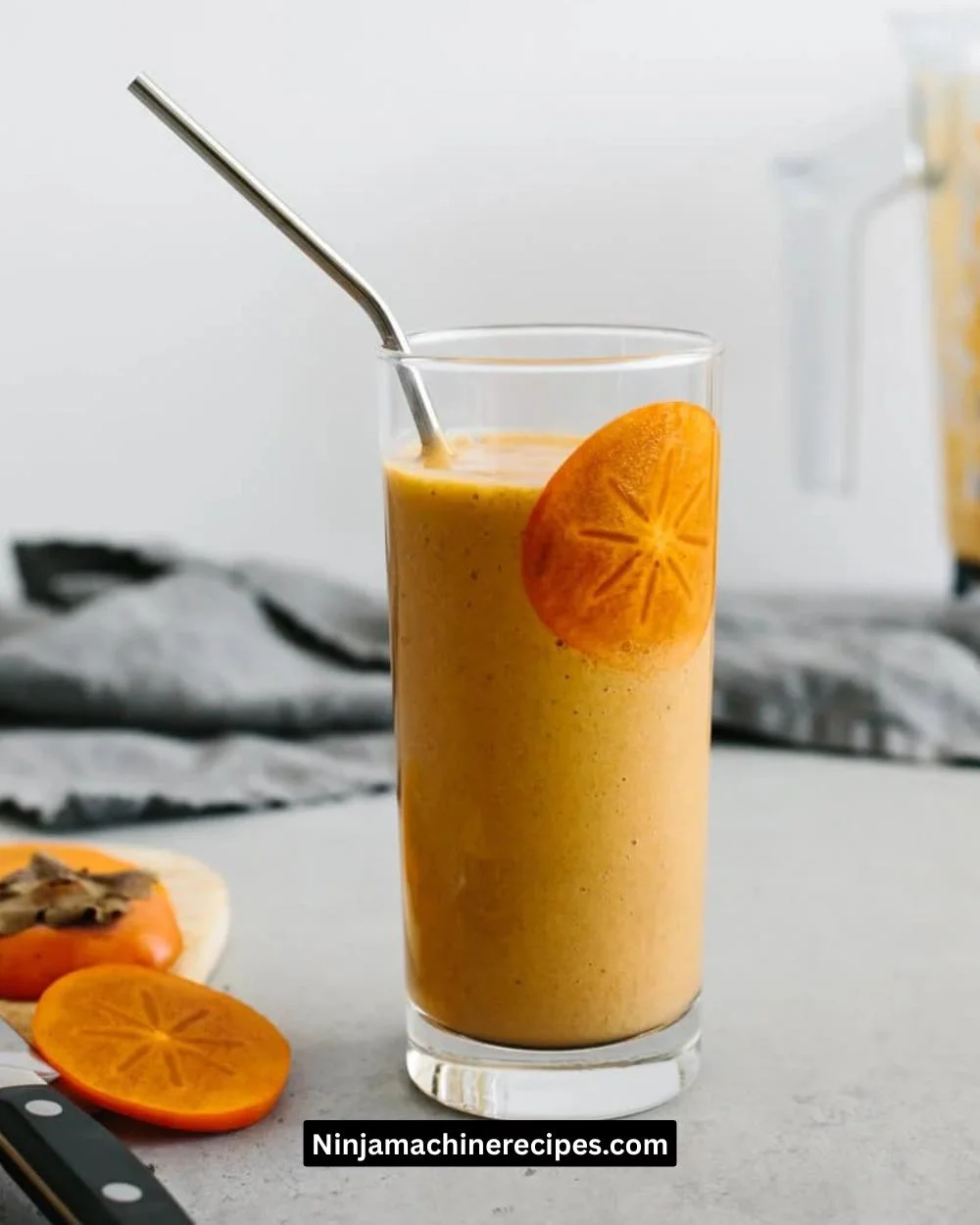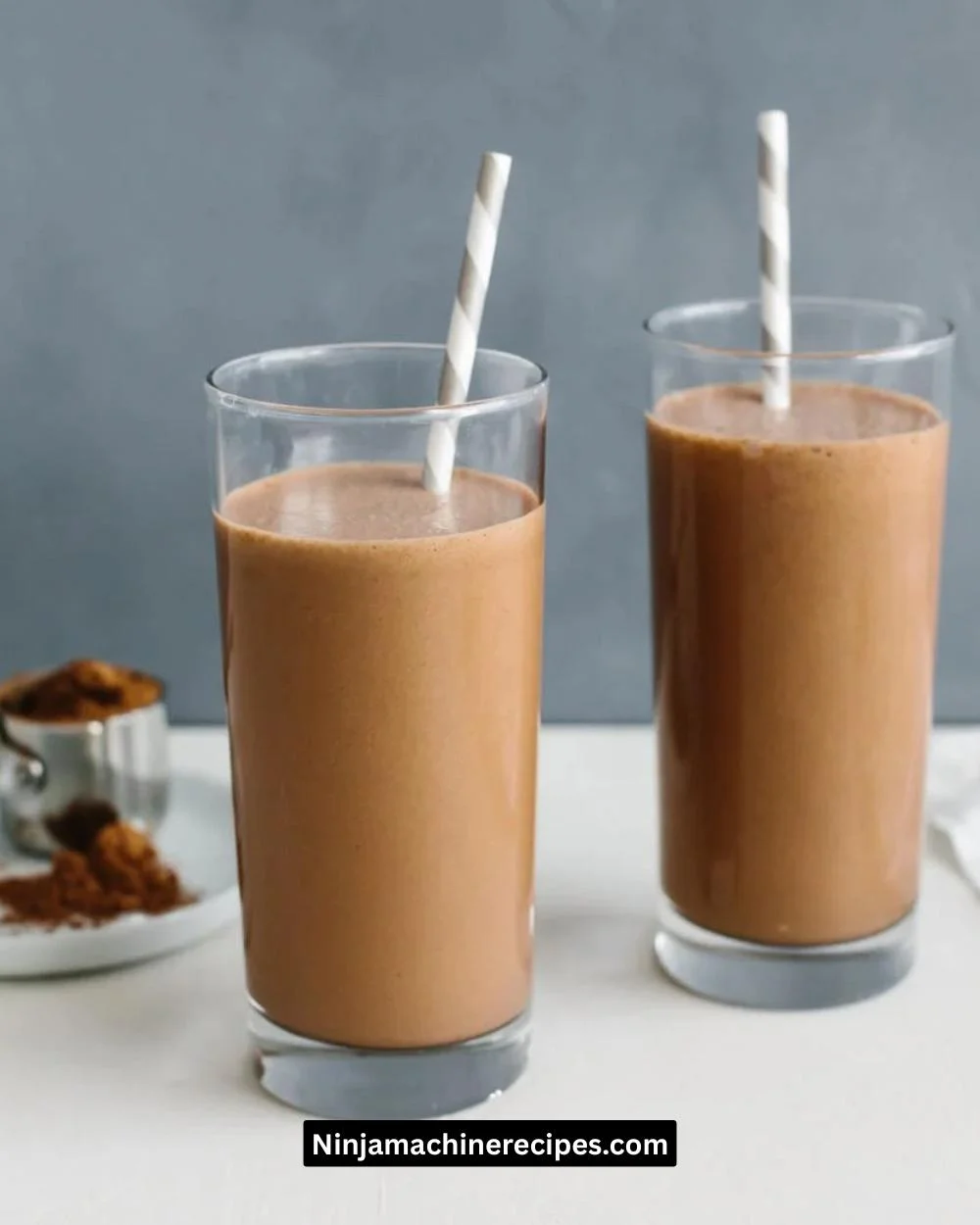
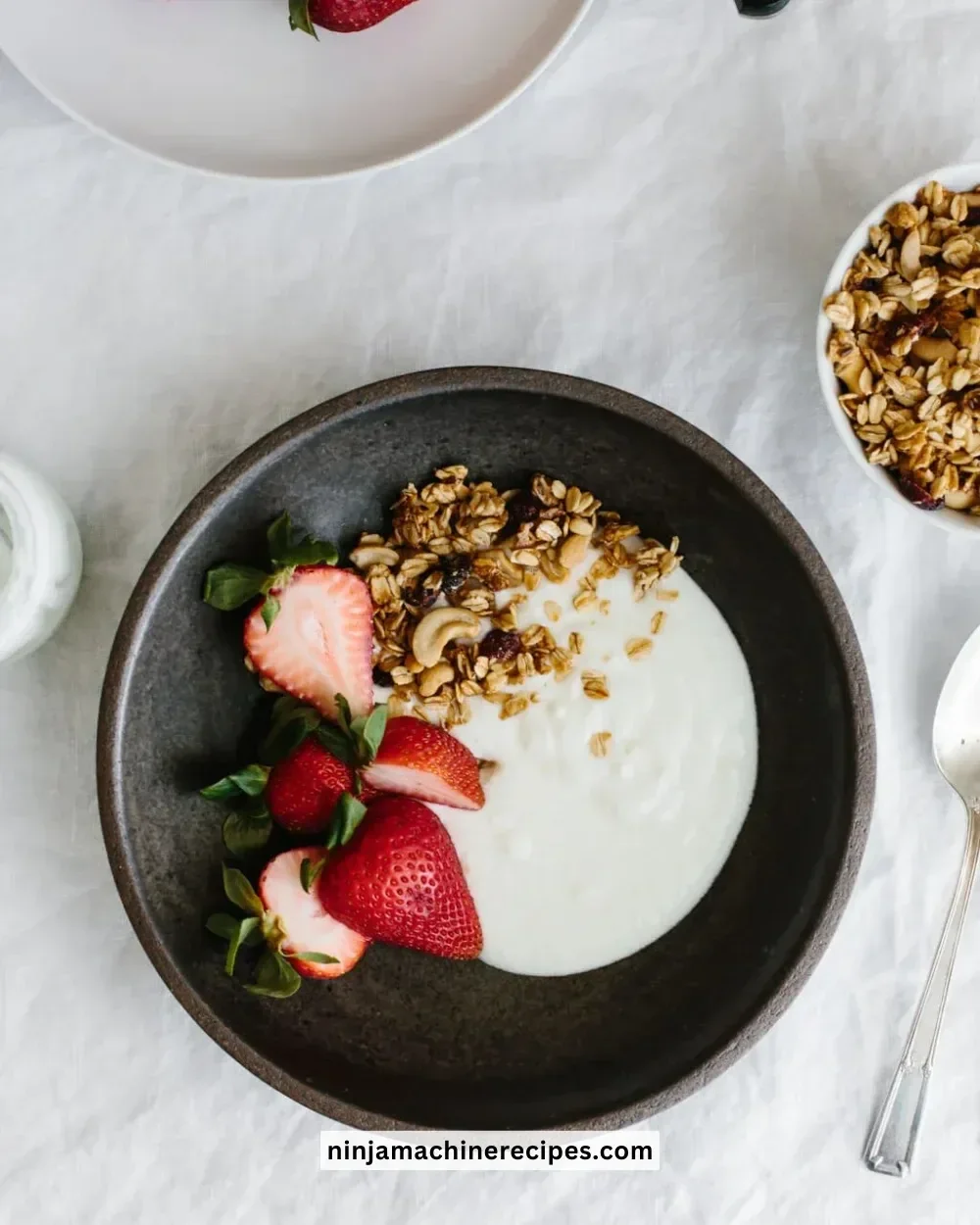
Homemade yogurt is a delicious, nutritious staple that you can easily make in your own kitchen. The creamy texture and tangy flavor of fresh yogurt can elevate your breakfast, snacks, and desserts. Plus, making yogurt at home allows you to control the ingredients, avoiding unnecessary additives while embracing the benefits of probiotics. Let’s dive into the delightful world of homemade yogurt!
Recipe Information
- Prep Time: 15 minutes
- Cook Time: 6-12 hours (fermentation time)
- Total Time: 6-12 hours 15 minutes
- Servings: About 4 servings
- Difficulty Level: Easy
Nutrition Information
- Calories per serving: Approximately 100
- Protein: 6 grams
- Carbohydrates: 9 grams
- Fat: 4 grams
- Fiber: 0 grams
- Sugar: 7 grams
- Sodium: 50 mg
Why Make This Homemade Yogurt
Making your own yogurt is not only economical, but it also provides a healthier option compared to store-bought varieties which often contain added sugars and artificial ingredients. The process of fermentation enriches the yogurt with beneficial probiotics, promoting gut health. Homemade yogurt has a fresh taste and creamy texture that’s hard to beat, and you can customize it with your favorite flavors like honey, vanilla, or fresh fruit.
How to Make Homemade Yogurt
Here’s how to make your very own yogurt, step by step!
Ingredients:
- 1 quart of milk
- 2-3 tablespoons of plain yogurt with active cultures
- Optional: sweeteners or flavorings (honey, vanilla, fruit)
Directions:
-
Step 1: Heating the Milk
Heat the milk in a saucepan until it reaches about 180°F (82°C), then remove from heat. This step ensures the milk is pasteurized and helps in achieving a smoother texture.
-
Step 2: Cooling Down
Let the milk cool to about 110°F (43°C). You can use a thermometer for accuracy, or simply test it with your finger; it should feel warm but not hot.
-
Step 3: Mixing the Yogurt Culture
Stir in the plain yogurt, ensuring it is well mixed into the warm milk. This is where the magic begins, as the live cultures will transform the milk into yogurt.
-
Step 4: Fermenting the Yogurt
Pour the mixture into a clean container and cover it. Place the container in a warm environment (like with the oven light on) for 6-12 hours. The longer you let it ferment, the tangier the yogurt will be.
-
Step 5: Checking for Thickness
After the fermentation period, check the yogurt for thickness and flavor. If it’s to your liking, it’s time to move on to the next step.
-
Step 6: Refrigerating Before Serving
Refrigerate the yogurt for at least 2 hours before serving. This will help it thicken further and enhance the flavor.
How to Serve Homemade Yogurt
Enjoy your homemade yogurt plain, or enhance it with various toppings such as fresh fruits, granola, nuts, or a drizzle of honey. Use it as a base for smoothies, desserts, or even in savory dishes like salad dressings.
How to Store Homemade Yogurt
Store your homemade yogurt in an airtight container in the refrigerator for up to 1-2 weeks. If you find yourself with excess yogurt, consider freezing it for later use, although the texture may change after thawing.
Expert Tips for Perfect Homemade Yogurt
- Use high-quality milk: The flavor and creaminess of your yogurt depend largely on the milk you choose. Whole milk will yield a creamier yogurt.
- Maintain a warm temperature: Consistent warmth is crucial for fermentation. Use an oven with the light on, a yogurt maker, or wrap it in a towel to retain heat.
- Experiment with sweetness and flavors: As the yogurt is plain, feel free to get creative with flavors like vanilla, cocoa, or even different fruits during the mixing step.
- Save some starter: Reserve a couple of tablespoons of your homemade yogurt to use as a starter for your next batch!
Delicious Variations
- Fruit-Flavored Yogurt: Stir in pureed fruits like strawberries or blueberries after fermentation.
- Spiced Yogurt: Mix in a dash of cinnamon or nutmeg for a warm winter treat.
- Greek Yogurt: Strain the yogurt through a cheesecloth to remove excess whey for a thicker, Greek-style yogurt.
Frequently Asked Questions
-
Can I use non-dairy milk?
Yes, you can make yogurt from non-dairy milks like almond or coconut, but you may need to add a thickening agent like agar-agar or cornstarch. -
What yogurt is best as a starter?
Use plain yogurt labeled with “live active cultures.” Look for brands without added gelatin or sugar. -
How can I tell if the yogurt is spoiled?
If your yogurt has an off smell, unusual color, or mold on the surface, it’s best to discard it to be safe. -
Can I make yogurt in a cold climate?
Yes! Just ensure to provide enough warmth for fermentation, using an insulated cooler or heating pad can help. -
Can I reuse my homemade yogurt as a starter?
Absolutely! You can use your homemade yogurt as a starter for up to 2-3 batches, after which you may want to refresh it with store-bought yogurt to maintain active cultures.
Conclusion
Embarking on the journey of making homemade yogurt can be a rewarding experience, providing delicious and nutritious results that cater to your personal taste. It’s an accessible process that not only ensures you’re eating wholesome ingredients but also allows you to be creative. So gather your ingredients and start your yogurt-making adventure today—your taste buds will thank you!
Print
Homemade Yogurt
- Total Time: 735 minutes
- Yield: 4 servings 1x
- Diet: Vegetarian
Description
A delicious, nutritious staple that allows you to control the ingredients and enjoy the benefits of probiotics.
Ingredients
- 1 quart of milk
- 2–3 tablespoons of plain yogurt with active cultures
- Optional: sweeteners or flavorings (honey, vanilla, fruit)
Instructions
- Heat the milk in a saucepan until it reaches about 180°F (82°C), then remove from heat.
- Let the milk cool to about 110°F (43°C).
- Stir in the plain yogurt, ensuring it is well mixed into the warm milk.
- Pour the mixture into a clean container and cover it. Place the container in a warm environment for 6-12 hours.
- Check the yogurt for thickness and flavor after fermentation.
- Refrigerate the yogurt for at least 2 hours before serving.
Notes
Use high-quality milk for creaminess. Maintain warm temperature for fermentation. Experiment with flavors.
- Prep Time: 15 minutes
- Cook Time: 720 minutes
- Category: Snack
- Method: Fermentation
- Cuisine: American
Nutrition
- Serving Size: 1 serving
- Calories: 100
- Sugar: 7g
- Sodium: 50mg
- Fat: 4g
- Saturated Fat: 2g
- Unsaturated Fat: 2g
- Trans Fat: 0g
- Carbohydrates: 9g
- Fiber: 0g
- Protein: 6g
- Cholesterol: 20mg