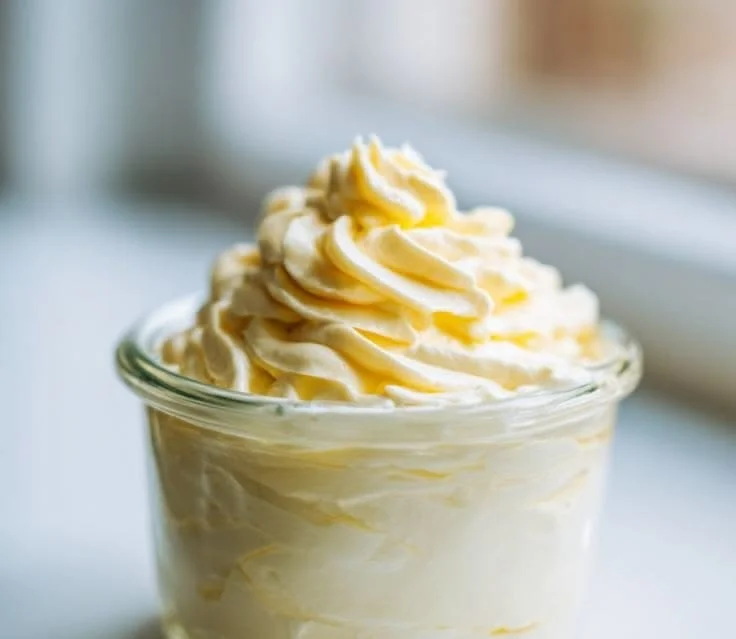
Homemade mayonnaise is a simple yet delicious condiment that you can easily whip up in your own kitchen. With just a handful of ingredients, this creamy, rich mayonnaise elevates sandwiches, salads, and more. It’s a fresh and flavorful alternative to store-bought versions, and it can be tailored to your taste. Let’s dive into the details of making this delightful spread from scratch!
Recipe Information
- Prep Time: 10 minutes
- Cook Time: 0 minutes
- Total Time: 10 minutes
- Servings: 8 servings
- Difficulty Level: Easy
Nutrition Information
- Calories per serving: 103 kcal
- Protein: 0.2 g
- Carbohydrates: 0.1 g
- Fat: 11 g
- Fiber: 0 g
- Sugar: 0 g
- Sodium: 94 mg
Why Make This Homemade Mayonnaise
Making your own mayonnaise might seem intimidating, but it’s wholeheartedly rewarding. Homemade mayonnaise has a freshness that bottled versions can’t replicate. Plus, you control the ingredients! You can adjust flavors based on personal preferences and dietary needs, and it’s often healthier, free of preservatives and additives. Whether you’re enjoying it on a sandwich or using it as a base for dressings, this mayonnaise is both versatile and tasty.
How to Make Homemade Mayonnaise
Ingredients:
- 1 large egg
- 1 tablespoon Dijon mustard
- 1 tablespoon white wine vinegar or lemon juice
- 1 cup vegetable oil
- Salt to taste
Directions:
Step 1: Preparation
In a tall jar, combine the egg, Dijon mustard, and either white wine vinegar or lemon juice. Make sure to use a jar that is narrow enough for your immersion blender to work effectively.
Step 2: Mixing
Blend the mixture with an immersion blender until it becomes smooth and homogenous. This step should only take about 30 seconds.
Step 3: Incorporating Oil
While the immersion blender runs, slowly drizzle in the vegetable oil. It’s crucial to add the oil gradually to ensure that the mixture emulsifies and thickens to your desired consistency. This should take an additional 1-2 minutes.
Step 4: Finishing
Once your mayonnaise is thick and creamy, season it with salt to taste. Mix well to combine. Store any leftovers in an airtight container in the refrigerator for up to a week.
How to Serve Homemade Mayonnaise
Homemade mayonnaise is incredibly versatile. Spread it on sandwiches for creamy goodness, mix it into potato or pasta salads for added richness, or use it as a dip for fresh veggies. You can also incorporate it into dressings by whisking in additional ingredients like herbs, spices, or yogurt for a delightful twist.
How to Store Homemade Mayonnaise
Store your homemade mayonnaise in an airtight container in the refrigerator. Be sure to consume it within one week for the best flavor and freshness. If you notice any changes in color or smell, it’s best to discard it.
Expert Tips for Perfect Homemade Mayonnaise
- Room Temperature Ingredients: For the best emulsification, use room temperature eggs and oil. This helps the mixture come together more easily.
- Variability in Oils: You can experiment with different oils for flavor, such as olive oil or avocado oil, but remember that the taste may vary.
- Flavor Enhancements: Adding a pinch of garlic powder or herbs can create unique flavor profiles tailored to your preferences.
- Healthier Options: For a lighter version, try using half yogurt and half oil to decrease the fat content while maintaining creaminess.
Delicious Variations
- Garlic Aioli: Add minced garlic to your mayo for a fragrant garlic aioli.
- Spicy Mayo: Mix in sriracha, hot sauce, or chili flakes for a spicy kick.
- Herbed Mayonnaise: Blend fresh herbs like basil, parsley, or dill for a refreshing twist.
Frequently Asked Questions
-
Can I use an electric mixer instead of an immersion blender?
Yes, you can use an electric mixer. Use the whisk attachment and follow the same procedures until the mayonnaise thickens. -
What if my mayonnaise doesn’t thicken?
If your mayonnaise isn’t thickening, try adding a little more oil slowly while blending. Alternatively, you can add another egg yolk and blend again. -
Is homemade mayonnaise safe to eat?
Yes, as long as you use fresh eggs and store it properly in the fridge. Consider using pasteurized eggs if you’re concerned about safety. -
Can I freeze homemade mayonnaise?
It’s not recommended to freeze mayonnaise, as the texture may change once thawed. -
What can I do if my mayonnaise breaks?
If your mayonnaise separates, you can start with a fresh egg yolk in a new bowl and slowly whisk the broken mayonnaise into it, which should help it come together again.
Conclusion
Making homemade mayonnaise is an easy and rewarding endeavor that enhances your favorite dishes with its creamy texture and rich flavor. With just a few ingredients and a bit of patience, you can create your own condiment that surpasses the store-bought versions. So, gather your ingredients and give this recipe a try—your taste buds will thank you! Enjoy the journey of experimentation and have fun making it your own!